
How RFID Works
Radio waves, a tiny chip and an antenna. Here is how an RFID system turns every item into live data.
Identify and track, without line of sight
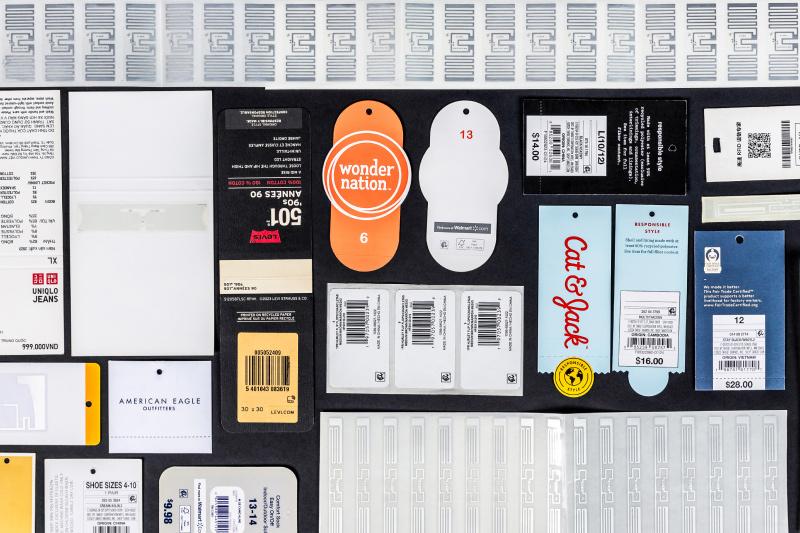
RFID technology uses radio waves to identify and track tagged items, offering real time inventory management and improved operational efficiency. RFID tags, containing microchips and antennas, are attached to products. RFID readers, both mobile and fixed, send signals to activate the tags, which then transmit their data back to the reader. This data is processed by software, providing insights into inventory levels, stock movement and potential theft.
- Radio Frequency
- Identify
- Tag
- Reader
- Radio Wave
- Technology
- Information
- Security
Core elements of the RFID system
- 1
RFID Tags
RFID tags contain a unique identifier and transmit data to RFID readers using radio waves.
- 2
Readers and Antennas
Readers and antennas capture the RFID signals and pass the information to the central database for processing.
- 3
Central Database
The central database stores and manages the information received from RFID tags, enabling real time tracking and reporting.
From tag to host system
When a tagged item comes into range, its data travels through four stages in a fraction of a second.
RFID Tag
Transmits stored data to the antenna when attached to assets.
Antenna
Receives data from the tag and transmits it to an RFID reader.
RFID Reader
Wirelessly connected to the antenna, receives data from the RFID tag.
Host System
Transmitted data is stored and managed in the RFID database.
Tags, hardware and software from one team.
Tell us about your products and volumes. We will recommend the right inlay, tag construction and system for your supply chain.